
Fort Saint Angelo Guide for a Better Visit

From Senglea’s waterfront, Fort Saint Angelo is impossible to ignore. Its pale stone walls rise at the end of Birgu’s peninsula, facing Valletta across Grand Harbour and holding centuries of Maltese history in a single, commanding silhouette. This Fort Saint Angelo guide is designed for travelers who want more than a quick photo stop: it will help you plan a relaxed visit, understand what you are seeing, and make the most of a memorable day in the Three Cities.
Why Fort Saint Angelo is worth your time
Fort Saint Angelo is one of Malta’s most significant historic sites. Its position at the heart of Grand Harbour made it strategically important long before the Knights of St. John arrived in the 16th century. The fort played a major role during the Great Siege of 1565, when it served as the Order’s headquarters, and it was later adapted by British forces.
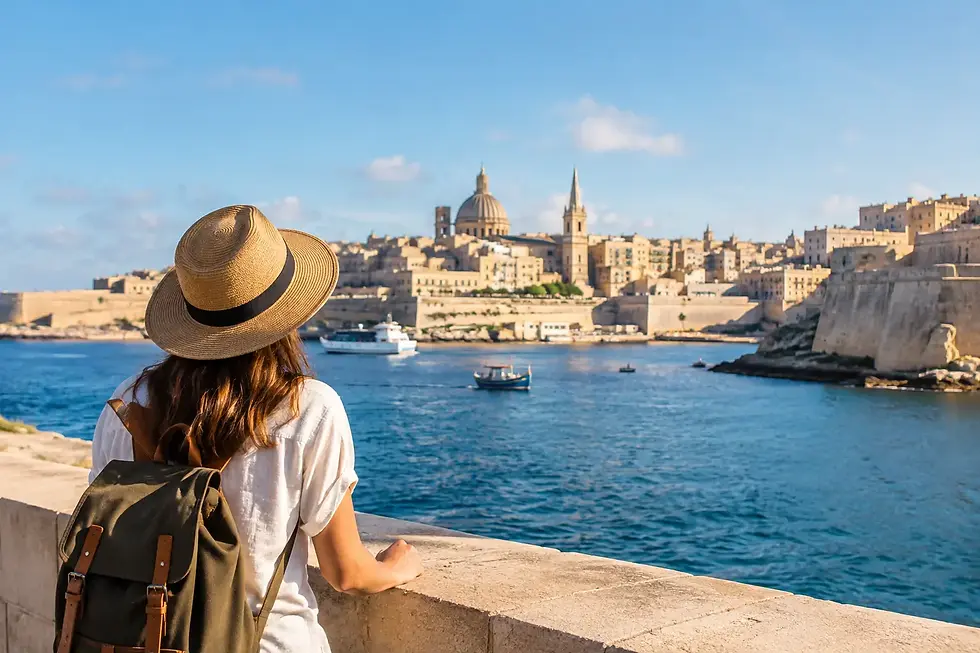
What makes the visit special is not only the military history. The fort gives you a different sense of Malta’s geography. From its upper terraces, Valletta appears almost close enough to touch, while Birgu’s narrow lanes, the marina, and the harbor’s working waterfront spread below. It is a place where architecture, sea views, and the island’s layered past meet naturally.
Allow around 90 minutes to two hours if you enjoy reading exhibits, lingering at viewpoints, and taking photographs. A quicker visit is possible, but Fort Saint Angelo rewards a slower pace, especially if you have already spent time wandering Birgu.
Getting to Fort Saint Angelo from Senglea
For guests staying in Senglea, the fort is close enough to build into an easy half-day outing. The most scenic approach is to walk along the waterfront toward Birgu, taking in the views of yachts, limestone buildings, and the harbor as you go. Depending on your starting point and walking pace, expect roughly 25 to 35 minutes.
You can also use local buses or a short taxi ride if you prefer to save your energy for Birgu’s hills and cobbled streets. If you are arriving from Valletta, ferry services to the Three Cities can make the journey feel like part of the experience. Service schedules can vary by season, weather, and time of day, so it is sensible to check the current timetable before setting out.
The fort stands at the far end of Birgu, also known by its historic name, Vittoriosa. Once you reach the waterfront and marina, follow signs through the peninsula toward the entrance. The final stretch is particularly attractive in late afternoon, when the warm stone takes on a softer golden tone.
Plan your visit before you go
Fort Saint Angelo operates as a managed heritage attraction, so opening hours, admission prices, and occasional closures can change. Checking the current details shortly before your visit is the best way to avoid disappointment, particularly on public holidays or during special events.
Morning is ideal if you would like cooler temperatures and quieter spaces. The fort’s exposed position means that midday can feel hot from late spring through early fall, even when there is a breeze coming off the water. Late afternoon is another lovely option, especially for the light over Grand Harbour, though leave enough time to see the interior before closing.
Wear comfortable shoes with a good grip. There are uneven stone surfaces, stairways, and changes in level throughout the site. A hat, water, and sunscreen are sensible in warmer months. In winter, bring a light layer, as the wind can be surprisingly brisk on the ramparts.
What to see inside Fort Saint Angelo
The fort is not arranged as a single linear museum, which is part of its appeal. You move through defensive passages, chambers, terraces, and restored spaces that reveal different eras of its long life. Take a moment at the interpretive displays before heading straight for the views. The background makes the scale of the harbor and the fort’s military role much easier to appreciate.
The upper terraces and Grand Harbour views
The terraces are the visual highlight for many visitors. From here, you can look directly toward Valletta’s fortified skyline, across to the breakwater, and down over the water separating Birgu from Senglea. Early morning often brings clear, crisp light, while late afternoon creates a warmer, more dramatic atmosphere.
Photography lovers may prefer to visit when the sun is lower. That said, the best time depends on what you want from the day. Bright midday light shows the texture of the limestone clearly, while a late visit suits couples looking for a more atmospheric harbor walk afterward.
The historic rooms and defensive spaces
Inside, look for the changes in construction and purpose. Some areas recall the Knights of St. John, while others reflect the fort’s later British military use. The building’s thick walls, narrow openings, and elevated positions are reminders that this was created for defense, not comfort.
The experience can feel more contemplative than a large, crowded museum. It is well suited to independent travelers who enjoy setting their own pace, as well as families with older children who can engage with the stories of sieges, strategy, and life around the harbor.
The chapel and quieter corners
Do not rush through the smaller spaces. The chapel and less dramatic interior corners give the fort a more human scale after the wide-open views. They are also useful pauses on a hot day, when the shaded stone rooms offer welcome relief.
If you have limited time, prioritize the terraces, the main historic interpretation, and a slow walk around the perimeter. If you have more time, let yourself wander. Fort Saint Angelo is at its best when it does not feel like a checklist.
Pair your fort visit with Birgu and Senglea
A visit to Fort Saint Angelo works beautifully as part of a full day in the Three Cities. Start with coffee or breakfast in Senglea, walk toward Birgu along the waterfront, and visit the fort before lunch. Afterward, explore Birgu’s historic center, where quiet lanes open unexpectedly onto small squares, church facades, and waterfront views.
For lunch, the Birgu marina area offers a pleasant setting, although restaurants there can be busier and more expensive than those farther into the neighborhood. If you would rather keep the day simple, pick up local pastries or a light picnic before you go and enjoy them later by the water, where permitted.
Returning to Senglea in the evening is a lovely way to end the outing. The harbor lights come on gradually, boats move quietly across the water, and Valletta’s skyline takes on a completely different character after sunset. It is one of the reasons staying in the Three Cities feels so rewarding: the most memorable moments are often just outside your door.
Guests at Azure Apartments Malta can enjoy this part of Malta from a peaceful Senglea base, with the flexibility to return for a rest before heading out again for dinner or an evening promenade.
A few practical considerations
Fort Saint Angelo is a historic structure, so accessibility may be more limited than at a modern museum. Some routes involve stairs and uneven ground. Travelers with mobility needs, strollers, or anyone who prefers step-free access should confirm the latest access arrangements before visiting.
The site is generally enjoyable for children, but it is not a hands-on attraction in every area. Younger visitors may respond best when the visit is framed as a real castle with harbor lookouts and stories of defenders, rather than as a long history lesson. Keep a close eye on children near elevated viewpoints and stone stairways.
If weather is poor, the interior sections can still make the visit worthwhile, but the terraces are a major part of the experience. On a day of heavy rain or strong wind, consider shifting your plans if your schedule allows. Malta’s changing light is part of its charm, but Grand Harbour is at its most enjoyable when you can spend time outdoors.
Fort Saint Angelo is not simply an attraction to fit between busier stops. Give it an unhurried hour or two, then let the walk back through Birgu and along Senglea’s waterfront become part of the visit. That is when the fort’s history feels less distant and the Three Cities begin to feel like a place you know.


Comments